

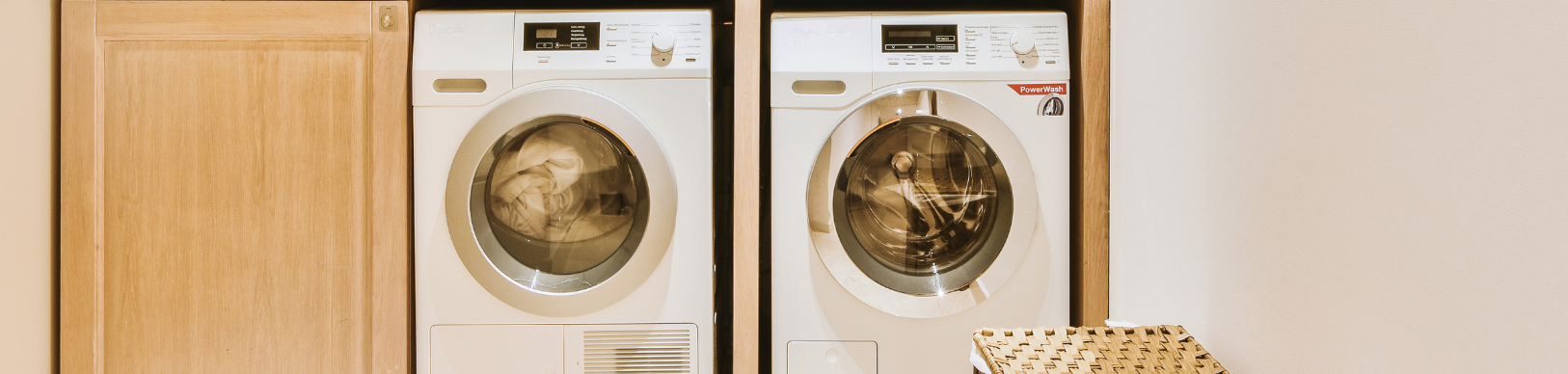
Welcome to Aviv Appliances of Boynton Beach.
Serving Broward & Palm Beach Counties of FL
Kitchen & Laundry Appliance Repair from Pompano Beach to Jupiter, Florida
Welcome to Aviv Appliances – the Residential Appliance Repair Company that homeowners in Broward and Palm Beach Counties choose for quality Appliance Repair and Service.
We are locally, family owned and operated as well as fully insured. Our owner has decades of experience and supervises all jobs.
We have a large inventory of in stock parts in our warehouse and fully stocked vehicles. Chances are, we have what we need to get your appliances up and running again now; not later.
As the family-owned business that brought you same-day appliance repair, you can rest assured that you are calling a company with a tradition of bringing customers lightning fast, professional, and friendly service at a fair price, with the longest parts warranty (10 years) in the industry.
Call us today to repair your appliances at a fraction of the cost of replacing them!
CLICK HERE TO REQUEST SERVICE
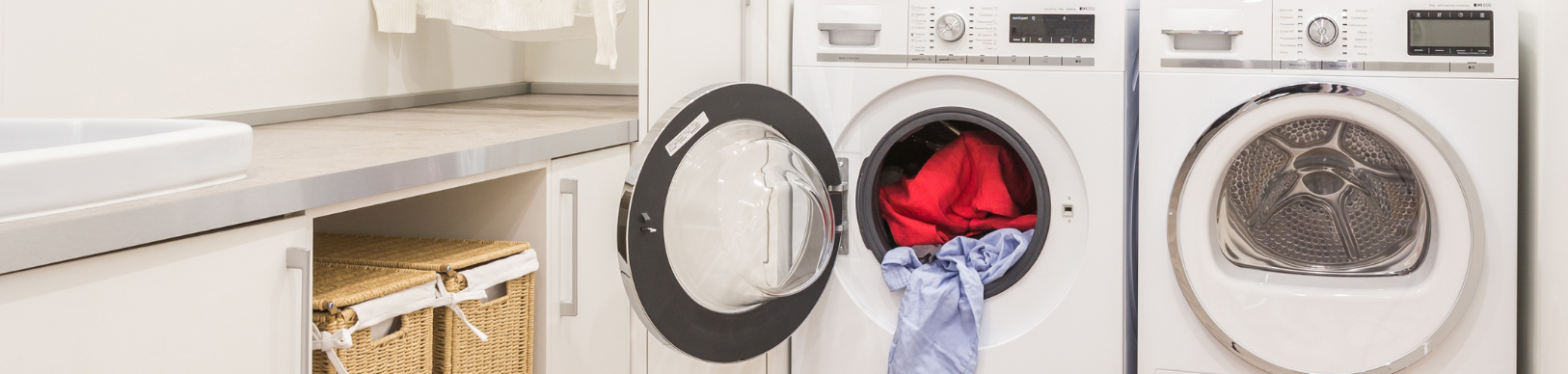
Washer Repair
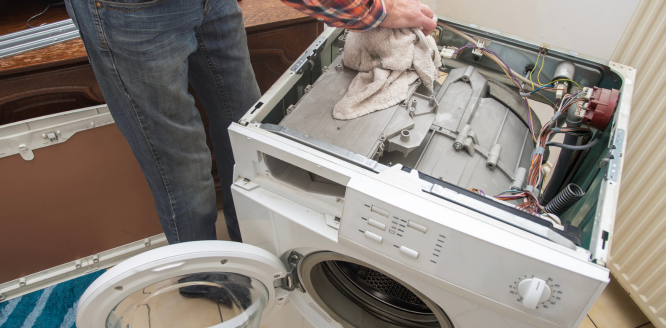
Washer failures always seem to happen at the most inconvenient times, but you don’t need to be left with a load of unfinished laundry! Whether your washer won’t drain, spin, or even turn on, Aviv Appliances will come to your rescue, so that you can use your washing machine again as soon as possible.
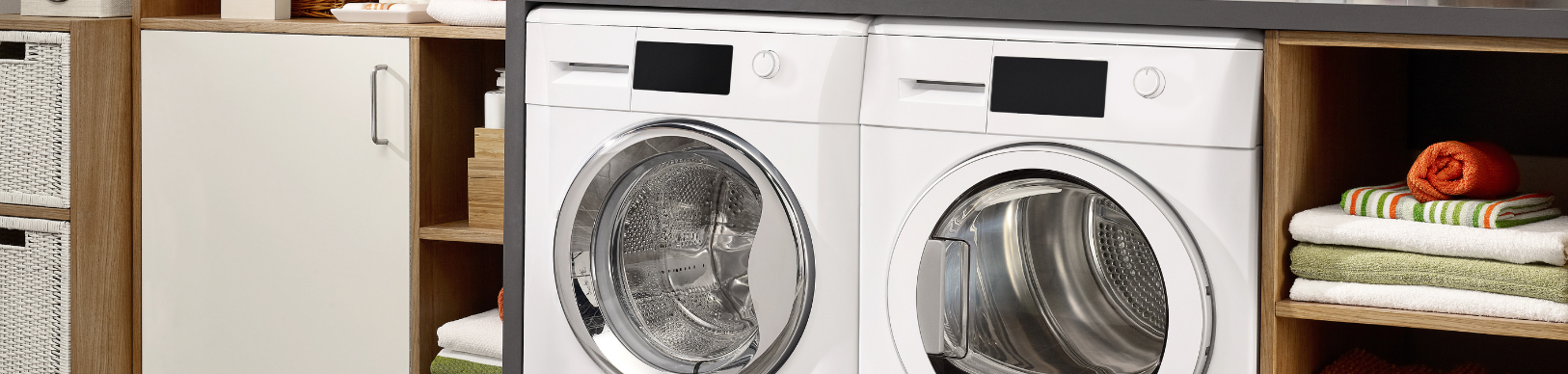
Dryer Repair
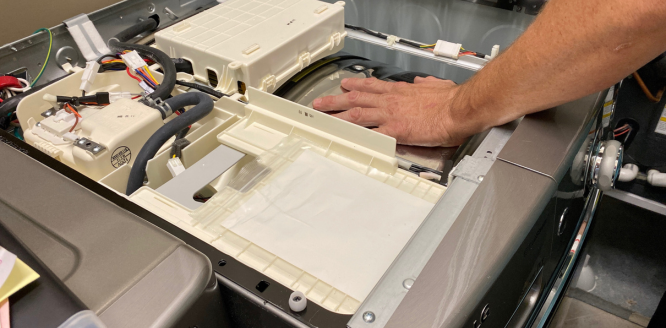
At Aviv Appliances, our team is highly skilled and trained to address a wide range of common dryer problems including when your dryer won’t start, won’t heat up or is only providing low levels of heat, is making excess noise, emitting a burning odor or displaying error codes from the control board.
Refrigerator Repair
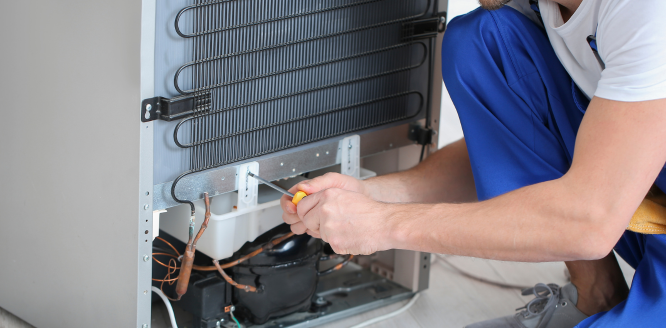
A refrigerator breakdown can be inconvenient and expensive, especially if it is full of food that now needs to be tossed. Aviv Appliances can deliver prompt and quality repairs to help minimize food spoilage and disruption to your home.
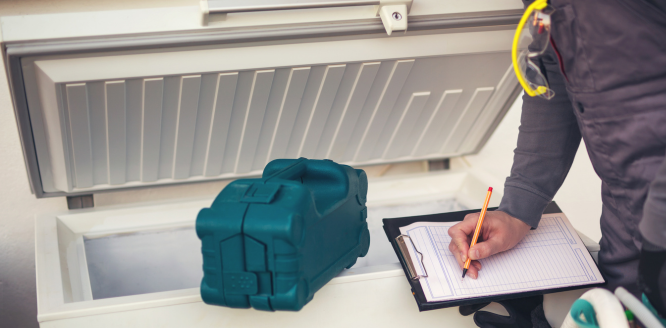
Freezer Repair
Freezer failure can mean wasted food and lost money. Calling Aviv Appliances for emergency repair can minimize spoilage and disruption to your kitchen. We can address insufficient cooling, frost buildup, water leaks, odd sounds and more.

Ice Machine Repair
Whether you are dealing with no ice, dirty ice, malformed ice, too much ice, persistent water leaks, clogged water filter or a complete system failure, Aviv Appliances is confident we can diagnose the problem and deliver a quality solution.
CLICK HERE TO REQUEST SERVICE
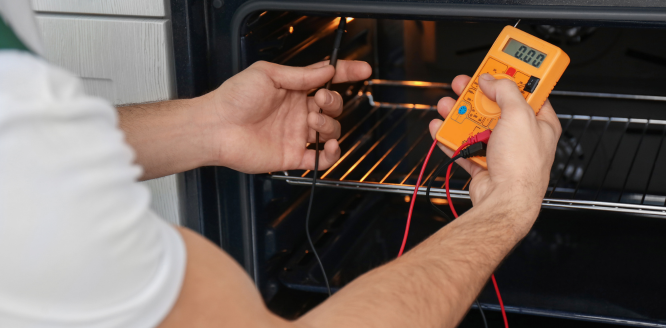
Oven, Range &
Stove Top Repair
When your oven or stove top range requires a new heating element, thermostat, control panel, igniter or burner, our team of experts at Aviv Appliances have you covered. Our technicians are skilled at repairing both gas and electric ranges.
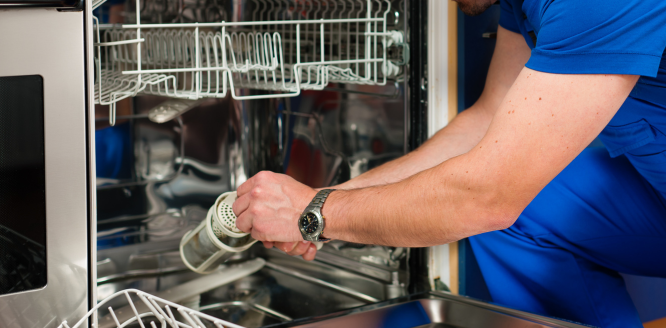
Dishwasher
Repair
Your dishwasher is supposed to make cleaning up after meals a breeze. If your dishwasher is no longer sufficiently cleaning and/or drying your dishes after a thorough cycle, not draining properly or experiencing any other issue, call Aviv Appliances!
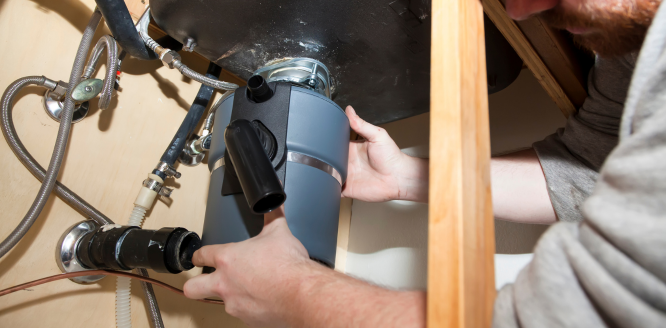
Garbage Disposal
Repair
Garbage disposals are built to handle daily use, but over time they can wear out or become clogged. If you unit won’t turn on, is making loud noises, leaking under your sink or emitting a persistent foul odor or is suffering frequent clogs; call us!
At Aviv Appliances, We Are Committed to Delivering the Experience You Deserve
At Aviv Appliances, we are dedicated to providing you with the most positive and seamless service experience for all your large kitchen and laundry appliances just the way you’ve always wanted and absolutely deserve. Exceptional service is hard to come by not only in our area but across the entire industry. That’s why we take pride in earning the trust of thousands of satisfied clients throughout Florida.
– Fast and reliable service.
– Affordable prices.
– Experienced technicians.
– Satisfaction guaranteed with the longest (10/Yrs) parts warranty.
CLICK HERE TO REQUEST SERVICE
Aviv Appliances | 101 S Federal Hwy #611, Boynton Beach, FL 33435
(561) 861-0660 | avivappliances@gmail.com